April 28, 2026 • 6 min read
Jaipur Travel Guide: Explore Top Places in the Pink City with an Audio Guide App
Gamana Editorial Team
Heritage & Culture
Jaipur is not just a city. It is a mood. The moment you step off the train or taxi, the air smells different — of jasmine garlands, camel dust, and something ancient that no tour brochure can quite describe.
This Jaipur travel guide is not a Wikipedia dump. It is written for real travellers who want to feel the city, not just photograph it. Whether you are a solo backpacker, a couple on a heritage trip, or a family doing Rajasthan for the first time, this guide will help you plan smarter and explore deeper.
Why Jaipur Deserves More Than a Day Trip
Most tourists give Jaipur two days. Locals say you need two weeks to even scratch the surface. The truth? Three to four days done right, with the correct route and context, will leave you feeling like you actually lived here for a while.
Jaipur is the capital of Rajasthan and part of India's Golden Triangle (Delhi–Agra–Jaipur). It was built in 1727 by Maharaja Sawai Jai Singh II, who was not just a king but also an astronomer and urban planner. That layered identity — royal, scientific, artistic — shows up everywhere you look.
Top Places to Visit in Jaipur (With What to Actually Look For)
1. Amber Fort (Amer Fort)
Amber Fort is the most visited of all Jaipur tourist places, and for good reason. Perched on a hill 11 km from the city, it is a stunning blend of Rajput and Mughal architecture.
Do not miss:
- Sheesh Mahal (Palace of Mirrors) — millions of tiny mirrors that recreate a starlit sky indoors
- Ganesh Pol — the ceremonial gateway painted with intricate frescoes
- The view from the ramparts at sunrise or just before sunset
Insider tip: Skip the elephant ride (it is controversial and the elephants are often stressed). Instead, walk up or take the jeep — you will see more and feel better about it.
2. Hawa Mahal
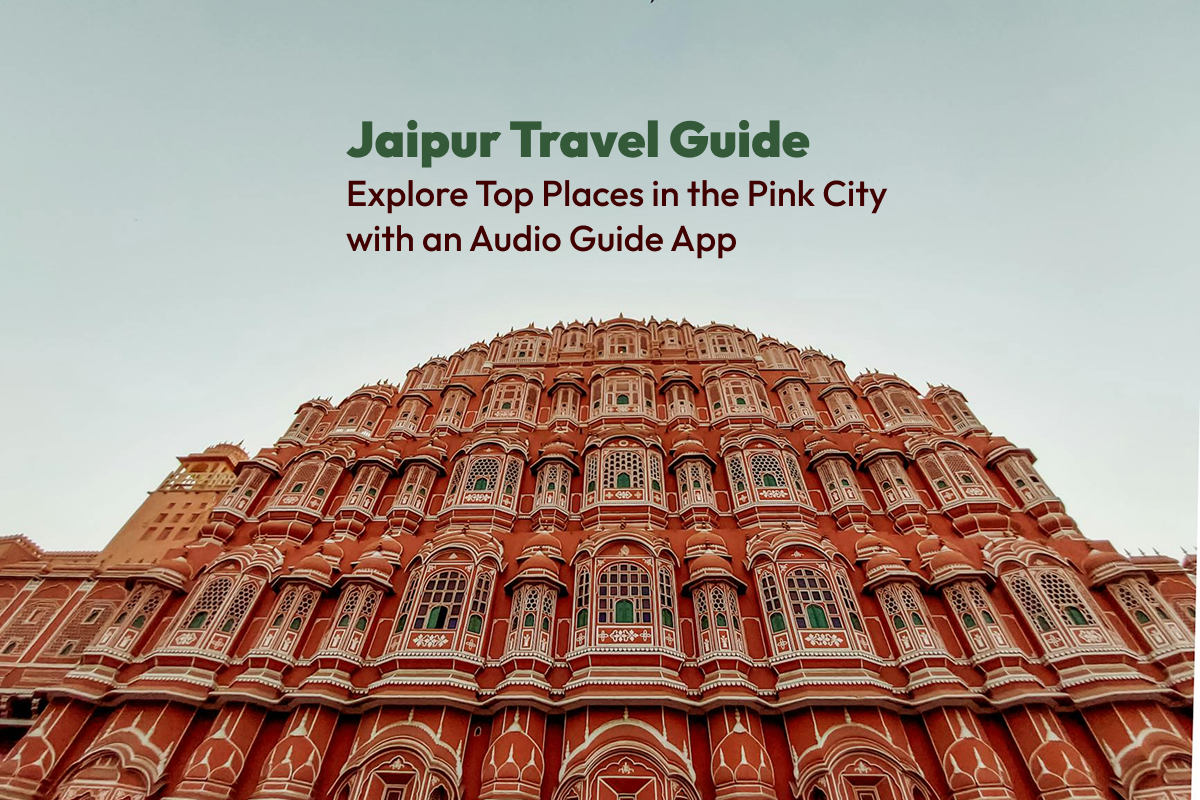
The postcard image of Jaipur. The Hawa Mahal or "Palace of Winds" has 953 small windows (jharokhas) that were designed so royal women could observe street festivals without being seen.
Most tourists just photograph it from the street. Walk inside. The view from the upper floors looking out over Jaipur's old city is something entirely different.
3. City Palace
Still partly home to the royal family of Jaipur, this palace complex is one of the finest examples of Rajput, Mughal, and European architectural styles blended together.
Highlights:
- Mubarak Mahal (textile and costume museum)
- Sileh Khana (arms and armory gallery)
- The two enormous silver vessels in Diwan-e-Khas — each holds 4,000 litres and was used to carry Ganga water to England by Maharaja Madho Singh II
4. Jantar Mantar
This one surprises people. A UNESCO World Heritage Site, Jantar Mantar is an open-air astronomical observatory built in the early 18th century. The instruments here — made entirely of masonry — could measure time, predict eclipses, and track planetary positions with extraordinary accuracy.
Without context, it looks like abstract sculpture. With a good guide (or a good app), it becomes one of the most mind-blowing things to do in Jaipur.

5. Nahargarh Fort
Less crowded than Amber, more dramatic in setting. Nahargarh sits on the Aravalli ridge and offers a panoramic view of the entire city. It is perfect for early morning walks or sunset visits.
The fort also has a surprisingly quirky interior — including a row of identical apartments built for the king's nine queens, each with a separate but connected layout so no one felt more favoured than the other.
6. Jal Mahal
The Water Palace sits in the middle of Man Sagar Lake and is best seen at dusk when the light turns gold and the migratory birds begin to settle. You cannot go inside, but the view from the road is genuinely beautiful.
7. Johri Bazaar and Bapu Bazaar
No Jaipur sightseeing trip is complete without time in the bazaars. Johri Bazaar is Jaipur's jewellery heart — Kundan, Meenakari, and Polki work that has been refined over centuries. Bapu Bazaar is better for textiles, block-printed fabric, and Rajasthani juttis (footwear).
Tip: Do not buy at the first shop. Walk the full lane, compare, then decide.
Things to Do in Jaipur Beyond the Big Sights
- Attend a cooking class — learn to make laal maas, dal baati churma, or Rajasthani thali from a local family kitchen
- Watch a classical performance — Kathak and folk performances happen regularly at Jawahar Kala Kendra
- Cycle the old city — early mornings between 6 and 8 AM, the lanes are quiet and the light is cinematic
- Visit Chokhi Dhani — touristy, yes, but genuinely fun for families wanting to experience Rajasthani village culture, folk music, and cuisine in one place
- Drink lassi at Lassiwala — the original, on MI Road, famous since the 1940s. Only open until stock runs out

How to Plan Your Jaipur Itinerary by Days
Day 1: Amber Fort (early morning), Jaigarh Fort, Nahargarh Fort sunset
Day 2: City Palace, Jantar Mantar, Hawa Mahal, Johri Bazaar evening
Day 3: Albert Hall Museum, Jal Mahal, Chokhi Dhani dinner
Day 4 (optional): Day trip to Abhaneri Stepwell or Pushkar
Group your visits by geography, not just by popularity. Amber, Jaigarh, and Nahargarh are all on the same hill — visit them together to save time and energy.
Why a Self-Guided Jaipur Tour Works Better Than a Group Tour
Group tours move at the slowest person's pace. They skip things that do not fit the schedule. They give you a script, not a story.
A self guided Jaipur tour lets you linger at the things that genuinely move you — whether that is the mirror work at Sheesh Mahal or the astronomical logic behind a Jantar Mantar instrument — without being rushed to the next photo stop.
The key to making self-guided travel work is having the right information at the right moment, on your own terms.
Use the Gamana Audio Guide App for Jaipur
This is where the Jaipur audio guide app experience changes everything.
Gamana is built for exactly this kind of travel. It is an audio-first guide app designed for Indian heritage sites and cities. Instead of reading plaques or hiring a guide who rushes you, Gamana gives you:
- Location-triggered audio stories — your phone knows where you are and plays the relevant story automatically
- Deep historical and cultural context — not just dates and names, but the why behind what you are seeing
- Offline access — no need to worry about connectivity inside forts or old city lanes
- Your own pace, your own path — pause, rewind, explore side lanes, come back
At places like Jantar Mantar or the City Palace, where most visitors feel lost without context, a Gamana audio guide turns confusion into genuine understanding. You will walk out knowing things that even some locals do not.
Whether you are doing Jaipur in two days or four, the Gamana app makes your Jaipur sightseeing richer, slower in the best way, and far more memorable.
A Few Practical Notes Before You Go
- Best time to visit: October to March. Avoid May–June (extreme heat)
- Getting around: Auto-rickshaws for short distances, hired cab for fort circuits
- Dress code: Cover shoulders and knees at religious sites and palaces
- Language: Hindi is primary; basic English is spoken at most tourist spots
- Currency: Cash is still king in the old city bazaars
Jaipur rewards the curious. Go slow. Ask questions. Let the city tell you its own story — and let Gamana help you hear it.
Ready to explore the Pink City on your own terms?
Download the Gamana app and start your self-guided Jaipur tour with immersive audio stories.